The Data You Create And Sell: Find Out Who Actually Owns Your Survey Answers And Data

By SurveyLeo | Updated 2026
You take a survey. You answer questions about your habits, income, and opinions. You get paid a dollar. You move on with your day.
But have you ever stopped to think about where that data actually goes? Who owns it? Who can see it? What happens to it after you cash out?
Most people have no idea. And that is exactly how the industry wants it.
Here is the truth. Your survey answers are more valuable than you think. And the companies that collect them are making a fortune off your opinions.
The Data Economy
Consumer data is big business. Companies pour massive budgets into understanding consumer behavior. Surveys are the cheapest and fastest way to collect that data.
But here is the part no one tells you. Your data does not just go to the company that commissioned the survey. It is sold. Resold. Aggregated. And resold again.
Data brokers buy and sell consumer information like it is a commodity. Your survey answers, combined with your browsing history, purchase records, and social media activity, create a detailed profile of who you are.
That profile is worth money. And you are not getting a cut.
Who Owns Your Answers?
This is the uncomfortable question. When you take a survey, you are providing data. But you are not providing ownership.
The platform owns the data. The company that commissioned the survey owns the data. The data brokers who aggregate it own the data.
You own nothing.
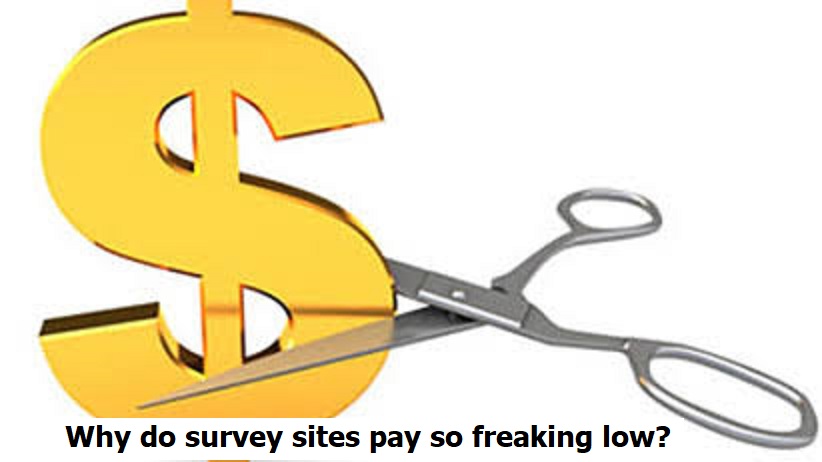
Your answers are collected, analyzed, and sold. You get a dollar. They get thousands.
The Privacy Problem
Even if you do not care about the money, you should care about the privacy implications.
Survey platforms collect more than just your opinions. They collect your demographic data, your location, your shopping habits, and your political views. They track how long you spend on each question. They analyze your response patterns.
This information can be used to build a psychological profile of you. It can be shared with advertisers. It can be used to target you with personalized messages.
Some platforms share your data with third parties. Some sell it. Some keep it indefinitely.
You have no control over what happens to your data after you submit it. Your answers are not just a transaction. They are a permanent record.
The Research Reality
The search results paint a clear picture of how data is used. Market research studies serve as a “voice of the customer” to help companies design better products and improve customer experience . The data is used to influence decisions, but the primary goal is to help the business, not to improve life for the consumer .
Consumer data is most often used by the sales, marketing, and customer service departments of businesses . The findings are designed to inform business practices, not to build a public library of information. Access to the raw data is heavily guarded as a trade secret.
If a company performs a study, you will never see it unless they choose to share it. The results are their property, not yours.
What Happens When You Cash Out

Most people assume that once they cash out, the transaction is complete. They got their money. The platform got their data. Everyone is happy.
Not quite.
Your data does not disappear when you cash out. It is stored in databases, aggregated with other responses, and analyzed for years. It can be used to create predictive models. It can be shared with new partners. It can be sold to new buyers.
Your answers have a life beyond your participation. And you have no control over that life.
The Economic Reality
The platform that paid you $1 for your survey sold that data for $5. The data broker sold it for $10. The company that bought it used it to make a $100,000 decision.
Your opinion is valuable. You are just not seeing the full value.
What You Can Do

You cannot stop the data economy. But you can protect yourself.
Read the privacy policy. Most platforms have a privacy policy. Few people read it. Take five minutes to understand how your data is being used.
Avoid sites that sell your data without consent. Some platforms are transparent about their data practices. Others are not. Stick with the transparent ones.
Do not share unnecessary personal information. You do not need to provide your exact income, address, or Social Security number to take a survey.
Cash out quickly. The less time your money sits on the platform, the less data they have on you.
Use SurveyLeo. We review platforms based on payout speed, user complaints, and data privacy practices. We tell you which sites respect your time and your data.
The Bottom Line
Your survey answers are valuable. They are collected, analyzed, and sold. The data economy is vast and complex. You are a participant whether you realize it or not.
You can keep taking surveys. You can keep earning cash. Just understand what you are trading. Your opinion. Your time. And your data.
The dollar you earn is not the full value of the transaction. The full value is hidden in the data economy.
👉 [Visit SurveyLeo to find platforms that respect your data]
About the Author:

Al is the founder of SurveyLeo and has personally tested over 40 paid survey and get-paid-to platforms since 2018. He has helped more than 50,000 readers find legitimate side-hustle income online.