Bringing Which Apps Actually Pay Real Money?
You’ve probably seen the ads. “Make $500 a day from your phone!” with a photo of someone lounging on a beach, sipping a smoothie, and doing absolutely nothing productive.
Yeah, that’s not real.
The truth is, most money-making apps are a waste of time. But some genuinely pay real, withdrawable cash straight to your PayPal or bank account. The hard part is knowing which ones are worth it.
So let’s cut through the noise. This guide breaks down the apps that genuinely pay, what you can realistically expect to earn, and where to focus your energy.
First, a Reality Check
Before we get into the good stuff, you need to hear this: most money-making apps are supplemental income, not a replacement for your income. We’re not talking about quitting your job. We’re talking about turning idle time into a little extra cash.
That said, earning potential varies dramatically by method. Content creation apps can bring in hundreds to thousands of dollars, while survey and microtask apps typically yield somewhere between $20 and $100 a month. Surveyleo will show you which Apps Actually Pay Real Money!
If you go in with the right expectations, you’ll be satisfied. If you’re expecting rent money, you’ll be disappointed.
Also worth knowing: not every app in this space plays fair. In August 2025, the FTC distributed $6.7 million in refunds to over 98,000 consumers affected by deceptive earnings claims. So yes, scammy apps are real, and they’re getting more sophisticated.
The good news? There are also genuinely solid platforms that have paid out billions to real users. That’s where we’re headed.
The Apps That Actually Pay
1. Swagbucks
If you’ve spent any time in the side hustle world, you’ve heard of Swagbucks. It launched in 2008, and it’s still one of the most popular rewards platforms around for a reason.
Swagbucks has paid out over $600 million in total payouts and claims to be the web’s most popular consumer rewards program. That’s not a small number.
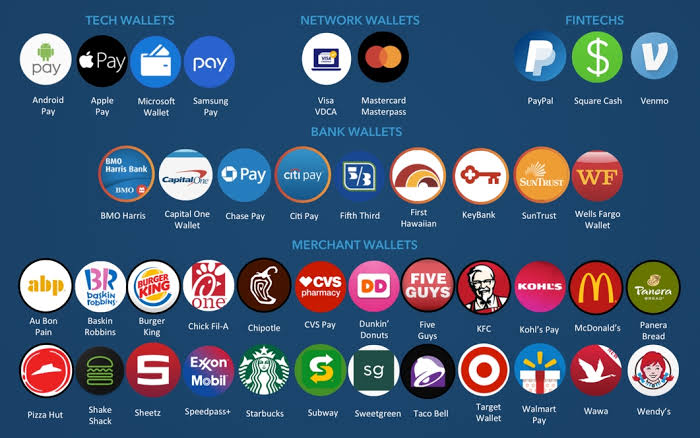
Here’s how it works: you earn points called “SBs” by doing simple online tasks. Think taking surveys, watching short videos, playing games, shopping online, or searching the web through their browser extension. Each SB is worth one cent, so 100 SBs equals $1. When you’re ready to cash out, you can redeem for PayPal cash or gift cards.
What can you realistically earn? Swagbucks states that users can earn $30 to $150 per month, though achieving that requires completing one to three full surveys per day in addition to other platform activities. More conservatively, the average user can expect to earn $10 to $30 per month with fairly consistent use and modest online shopping.
Not a fortune, but if you’re watching TV anyway, you might as well let Swagbucks run in the background.
One insider tip: Use the SwagButton browser extension and set Swagbucks as your search engine. It’s essentially passive earning layered on top of things you’re already doing. The subreddit r/Swagbucks is also a goldmine for finding the highest-value offers at any given time.
The catch: Surveys sometimes disqualify you partway through, which is frustrating. And some offers require you to sign up for third-party services, which can lead to spam emails if you’re not careful.
Minimum to cash out: $3 for gift cards, $25 for PayPal cash.
2. Survey Junkie
If pure survey-taking is your thing, Survey Junkie is one of the most reputable platforms in the game.
Survey Junkie pays out $55,000+ daily and has paid out over $76 million to its members since it launched. It pays roughly $1.5 million per month to users.
The platform matches you with surveys based on your profile. You earn points (100 points = $1), and you can cash out via PayPal, bank transfer, or gift cards once you hit 500 points ($5 minimum).
If you’re in a desirable demographic and complete three surveys a day, you can potentially make up to $40 per month. Focus group opportunities pay more — anywhere from $5 to $100 each — but they only come around once a month on average.
The effective hourly rate sits around $2 to $6. That’s not impressive on its own. But here’s the thing: Survey Junkie is at its best when you treat it like something you do during otherwise dead time. Waiting at the DMV, commuting, sitting in the waiting room at a doctor’s appointment. You’d be staring at your phone anyway.
Survey sites work best as casual side income for spare moments, not as serious income replacement strategies.
What makes Survey Junkie stand out: It has one of the lowest cashout minimums in the survey industry, a clean and simple interface, and one of the better reputations on Trustpilot. It’s BBB-accredited and has been around since 2011.
The catch: Disqualification rates can be frustrating. You might start a survey and get booted 10 minutes in because you don’t fit the exact demographic a brand is targeting. That time is gone.
3. Rakuten
Rakuten (formerly Ebates) is a cashback app that gives you a percentage of your purchase back when you shop through their platform. It partners with over 3,500 retailers, and it’s completely free to use.
Since 1999, Rakuten has paid its members over $3.6 billion in cash back. That number alone tells you this platform is the real deal.
Here’s how it works: before you shop online, you open Rakuten, click through to your retailer of choice, and make your purchase. Rakuten receives an affiliate commission from the retailer and splits a portion with you. Rates range from 1% to 20% or more depending on the store and current promotions.
One reviewer used Rakuten for 26 separate transactions between 2023 and August 2025 and earned $240.60 in cash back without any referrals included. Another user reported lifetime earnings of over $1,645 across several years of regular use.
The biggest limitation: Rakuten only pays out rewards on a quarterly basis. If you make a purchase early in the quarter, you might wait up to 120 days to see the money. That’s a long wait if you’re used to apps that pay on demand.
Still, for big purchases – think new laptops, appliances, holiday shopping, or travel bookings – Rakuten can put a meaningful amount of money back in your pocket without changing how you shop at all.
Pro tip: Download the browser extension. It pops up automatically when you visit a participating retailer and activates your cashback with one click. You’d be surprised how often you visit a store that qualifies without even realizing it.
Minimum to cash out: $5.01 for a mailed check. No minimum for PayPal.
4. Ibotta
If Rakuten is the king of online shopping cashback, Ibotta is the go-to for groceries and in-store purchases.
According to Ibotta’s FY2025 annual report, the company has credited $2.7 billion in cash back to users since its founding, and it had 18.2 million active redeemers in 2025. This is a publicly traded company with real numbers behind it.
The concept is simple: before you shop, browse Ibotta’s offers and activate the ones that apply to products you’re already planning to buy. After shopping, you either link your store loyalty card (so it tracks automatically) or upload your receipt. Cash back hits your account within 24 hours.
Ibotta claims users can save $261 a year on average. That tracks with real user experiences – one FinanceBuzz reviewer reported lifetime earnings of $1,645 from years of consistent use.
What makes Ibotta different from a coupon app is that it pays you actual cash, not store credit. You can withdraw to PayPal, Venmo, or a gift card once you hit the $20 minimum.
Where it shines: Groceries. Ibotta has deals at Walmart, Target, Kroger, and basically every major grocery chain. If you’re feeding a family, you’ll rack up savings faster than a single-person household, but anyone who grocery shops regularly can benefit.
The catch: You have to activate offers before you shop. Miss that step, and you don’t get the cash back. A few users have also noted that offers skew toward name-brand products, which isn’t ideal if you’re a store-brand shopper.
Minimum to cash out: $20.
5. Fetch Rewards
Fetch Rewards is different from Ibotta in one key way: you don’t have to activate specific offers before you shop. You just scan any receipt and earn points.
It’s that simplicity that makes Fetch one of the most popular receipt-scanning apps around. You don’t have to plan ahead. You don’t have to remember to clip anything. You just shop, take a photo of your receipt, and points show up in your account.
Points can be redeemed for gift cards from hundreds of retailers. It’s not cash-in-hand the way PayPal is, but gift cards to places like Amazon, Target, or Starbucks are about as useful as cash for most people.
The tradeoff: Fetch points typically have lower earning rates compared to Ibotta for specific offers. But because the barrier to entry is so low, most people actually remember to use it consistently.
Best approach: Use both Ibotta and Fetch together. Use Ibotta for its higher-value targeted offers and Fetch as a safety net to scan everything else. Stacking the two can meaningfully increase your monthly cashback.
6. Freecash
Freecash sits in a different category from the apps above. Rather than rewarding you for shopping, it pays you to try out apps, play mobile games, take surveys, and complete offers. Some game offers pay out hundreds of dollars for reaching specific milestones.
KashKick, a similar platform, pays users to test new games — some offers pay up to $150 each. Freecash operates on the same model and is frequently mentioned alongside KashKick as one of the top options in this space.
Freecash has a low $5 minimum cashout, accepts cryptocurrency as a payout option, and has solid ratings on Google Play and Trustpilot.
What you need to know: the highest-paying game offers require a lot of time. Reaching level 100 in a mobile game to unlock a $50 reward might take you 10 to 20 hours of gameplay. Run the math before committing. Some offers are genuinely worth it; others are not.
You can realistically generate $50 to $150 per month in genuine side income from apps like these when you focus on the right platforms and avoid ones that waste your time.
7. InboxDollars
Most rewards platforms pay you in points that you then convert to cash. InboxDollars pays you directly in dollars. It’s a subtle but meaningful difference if you’ve ever felt deceived by a points system.
InboxDollars pays you in real money, not points, and offers a free $5 sign-up bonus. Most surveys pay between $0.50 and $5, but occasionally you’ll see offers up to $20 or more.
You can also earn by watching TV, completing offers, and shopping through their portal. It’s a solid all-in-one platform that works well alongside a dedicated survey site like Survey Junkie.
The catch: The minimum cashout is higher than many competitors at $30. So you’ll need to put in some consistent effort before you see your first payout.
The Gig Economy Apps: Bigger Potential, More Effort
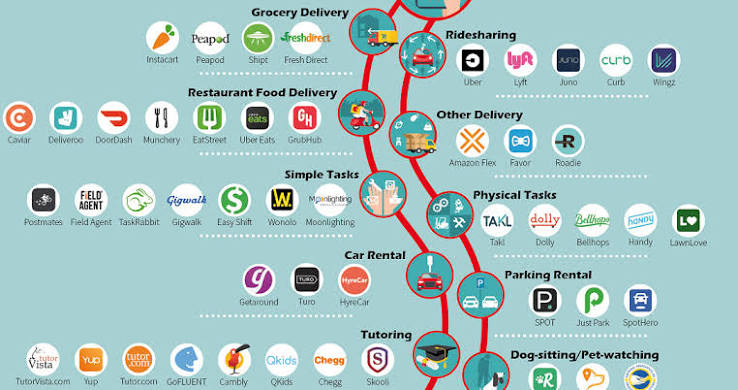
If you’re looking for apps that can pay significantly more than pocket change – we’re talking hundreds to thousands of dollars a month – you need to look at gig economy and content creation platforms.
DoorDash, Uber Eats, Instacart: These delivery platforms let you earn on your schedule. Earnings depend heavily on your market, how many hours you put in, and whether you’re working during peak demand windows. Active drivers and delivery people can earn $15 to $25 per hour or more in busy markets, especially when tips and surge pricing factor in.
Uber and Lyft: Rideshare driving requires a bit more – a qualifying vehicle, a background check, and solid ratings. But the earning potential is meaningfully higher than survey apps. Driving during rush hours, airport pickup windows, and weekend nights maximizes your hourly rate.
Upwork and Fiverr: These aren’t apps in the traditional sense, but both have excellent mobile experiences. If you have any marketable skill – writing, design, coding, video editing, customer support – you can build real freelance income through these platforms. Unlike most apps on this list, your hourly rate here is limited only by the market demand for your skill set.
Apps That Sound Legit But Warrant Caution
Not every app with a positive-sounding name delivers. Here are a few patterns to watch for:
- Unrealistically high earning claims. If an app promises $500 a day for passive tasks, run. That’s not how this works.
- Apps that require payment to unlock earnings. Legit platforms are free. You earn money; you don’t spend it to earn it.
- Extremely high cashout minimums. Some apps set minimum thresholds of $100 or more, making it nearly impossible to ever reach payout. This is a common tactic to avoid paying users.
- No verified reviews. Before you sign up for anything, check Trustpilot and the Google Play or Apple App Store reviews. Look at the negative reviews — patterns in complaints tell you a lot about how the company actually operates.
The Smart Strategy: Stack Your Apps
Here’s something the typical listicle doesn’t tell you: the real money isn’t in using one app religiously. It’s in stacking apps intelligently so that your everyday habits generate earnings from multiple sources simultaneously.
A solid basic stack might look like this:
You use Rakuten every time you shop online. You use Ibotta and Fetch on every grocery run. You open Swagbucks during your lunch break or while watching TV. You knock out a few Survey Junkie surveys during your morning commute.
None of those activities require dramatic lifestyle changes. But combined, they can realistically push your monthly earnings to the $75 to $150 range – and higher if you’re disciplined about it.
How to Tell If a Money-Making App Is Legit
Use this quick checklist before downloading anything:
It should be free to join with no deposit required. It should have a verifiable payment history – look for Trustpilot reviews, Reddit threads, and YouTube payment proofs. It should have been operating for at least two to three years. Legitimacy signals worth looking for include a 4.0 or higher Trustpilot rating, three or more years of operation, and verified payment proof.
Also, trust your gut. If you have to jump through 15 hoops to reach a cashout minimum that keeps moving, that’s not a platform worth your time.
The Bottom Line
Apps that pay real money exist. But they require realistic expectations, a smart strategy, and a little patience.
The platforms covered in this guide all have documented track records of paying users. They’re not going to replace your job. They’re not going to fund a vacation on their own. But used consistently and stacked intelligently, they can generate a meaningful stream of supplemental income from activities you’re already doing.
Start with two or three apps. Track what’s actually working. Cut what isn’t. And remember that your time has value. Always weigh what an app pays against the time it takes to get there.
The phone in your pocket is already a distraction. You might as well make it a money-maker too.
Try Rewarding Ways? START MAKING MONEY
[Visit SurveyLeo for our full rankings of the highest-paying survey platforms for 2026]
We track payout speeds, test every platform we recommend, and tell you which ones are actually worth your time.
About the Author:

Al is the founder of SurveyLeo and has personally tested over 40 paid survey and get-paid-to platforms since 2018. He has helped more than 50,000 readers find legitimate side-hustle income online.