The Two Types of Surveys: Why Some Pay and Others Are Just a Lottery

By SurveyLeo | Updated 2026
If you have been taking surveys for a while, you have probably noticed something strange. Some surveys pay you a few cents. Others pay nothing at all. Some seem to actually care about your opinion. Others feel like they are just collecting data to sell.
It is not random. It is not a glitch. It is the difference between two completely different kinds of surveys. Most people do not know the difference. That is why they waste time on the wrong platforms and assume all surveys are a scam.
Here is the truth.
The Two Kinds of Surveys
The survey industry is divided into two distinct worlds. One is built on rigorous methodology, random sampling, and high-quality data. The other is built on volume, speed, and low pay.
Opt-in surveys. You sign up. You take surveys. You get paid. The platform makes money by selling your data to researchers. There is no quality control. There is no verification. Anyone can sign up. That is why scammers, bots, and AI are flooding these platforms.
Probability-based surveys. You cannot sign up for these. You are selected based on a random sample of the population. Researchers reach out to you. They pay you more. They take your responses seriously. The data is used for real research, not just marketing.
Pew Research Center, one of the most respected polling organizations in the world, has a clear policy on this. They only interview real people. They do not use AI to tell them what the public thinks. They use probability-based sampling and recruit respondents offline to ensure their panels reflect the actual population .
That is the difference.
The Problem with Opt-In Surveys
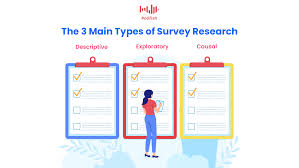
Opt-in surveys are the ones you find on sites like Branded Surveys, Survey Junkie, and Swagbucks. They are easy to join. They are easy to use. They are also easy to exploit.
Anyone can sign up. That means scammers can create multiple fake accounts and take dozens of surveys a day. According to Pew Research Center, a bad actor with five AI bot accounts could take 200 surveys a day and earn $1 per survey. That is $30,000 a month .
That ruins the data. When survey platforms are flooded with fake responses, the data becomes worthless. Companies stop trusting opt-in surveys. They stop paying as much. They start treating respondents like disposable assets.
Bogus respondents are a real problem. These are people who do not care about answering questions accurately. They just want to get through the survey as fast as possible to get paid. One hallmark of bogus respondents is they tend to give positive answers like “yes” or “approve” . This has led to false conclusions and news organizations needing to retract stories based on opt-in polls.
You are not the customer. In opt-in surveys, you are the product. Your data is collected, analyzed, and sold. You get a few cents. The platform gets a few dollars. The data broker gets a few more. The company that buys the data uses it to make decisions worth thousands.
What Probability-Based Surveys Look Like
Probability-based surveys are different. They are designed to be representative of the population. That is why researchers go to great lengths to recruit a random sample.
You cannot sign up for these surveys. You are selected. Your name is chosen from a massive list of addresses. You are contacted by mail. You are invited to participate. You are paid more.
There is no fraud. Since you cannot self-enroll, bad actors cannot create multiple fake accounts. Pew Research Center notes that respondents in their probability panel take an average of fewer than two surveys per month . They receive an average of $11 per survey.
The data is accurate. Probability-based surveys are designed to measure what people actually think. They are not designed to collect as much data as possible as fast as possible. That is why they are trusted by academics, government agencies, and major media outlets.
Why This Matters for Your Earnings

The platform you are using determines how much you earn and how much your opinion is worth.
Opt-in surveys pay less. They are built on volume. The platform needs thousands of responses, not high-quality ones. They pay a few cents per survey because they need a high volume of cheap data.
Probability-based surveys pay more. They are built on quality. The researcher needs accurate data, not just a high volume of responses. They pay more because they value your time and your opinion.
Your data is worth more than you are getting. The global market research industry is worth over $36 billion in the US alone and continues to grow . Companies are spending more on consumer insights than ever before. But that money is not making its way down to the people providing the data.
The Bottom Line
Not all surveys are created equal. The platform you choose determines how much you earn, how your data is used, and whether your opinion actually matters.
If you are using opt-in platforms, you are getting paid a fraction of what your data is worth. You are the product, not the customer. If you are fortunate enough to be selected for a probability-based survey, you are getting paid fairly for your time.
The key is to know the difference. And to choose platforms that respect your time and your data.
👉 [Visit SurveyLeo to find platforms that pay fairly]
About the Author:

Al is the founder of SurveyLeo and has personally tested over 40 paid survey and get-paid-to platforms since 2018. He has helped more than 50,000 readers find legitimate side-hustle income online.