The Truth About Paid Surveys: Does Pay, Profiling, Race, and Discrimination play a part?
By SurveyLeo | Updated June 2026
If you have spent any time on paid survey sites, you have probably asked yourself the same questions:
- Why are the payments so low?
- Why do I keep getting screened out?
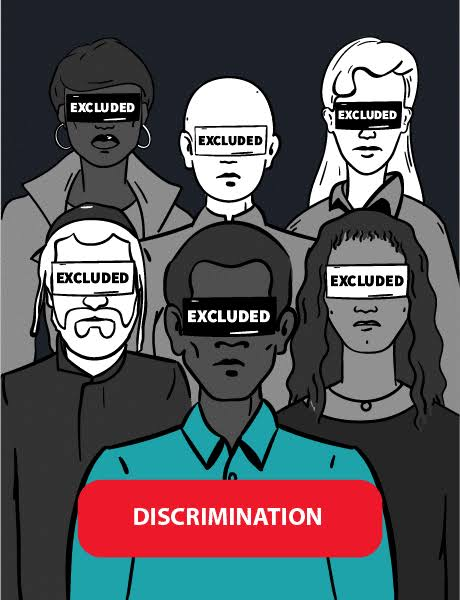
- Does my race affect which surveys I get?
- Am I being discriminated against?
These are fair questions. And they deserve honest answers.
In this guide, I will tell you the truth about how survey companies operate, why they ask for demographic information, and whether discrimination actually happens. No sugarcoating. Just facts.
Quick Summary
| Question | Short Answer |
|---|---|
| Do surveys pay well? | No, most pay $0.50–$3.00 per survey |
| Does race affect survey invitations? | Yes, but not in the way you might think |
| Is it discrimination? | No, it is demographic targeting for research |
| Why do I keep getting screened out? | Your profile does not match what the client wants |
| Can I lie on my profile to get more surveys? | No, you can be banned permanently |
What Do Surveys Really Pay?
Let us be honest. Most surveys pay very little.
| Survey Type | Typical Pay | Time Required |
|---|---|---|
| Quick polls and daily surveys | $0.25 – $1.00 | 2–5 minutes |
| Standard consumer surveys | $1.00 – $3.00 | 10–20 minutes |
| Longer product surveys | $3.00 – $10.00 | 20–40 minutes |
| Focus groups and special studies | $20.00 – $150.00 | 30–90 minutes |
The reality is that payments have been getting worse. Long-time survey takers have noticed this trend. One user on SurveyPolice noted, “Payments are awful as of late, surely not like it used to be” .
The reason is simple: supply and demand. Millions of people want to take surveys. Companies do not need to pay premium rates when there is an endless supply of willing participants.
Why Do Surveys Ask for Your Race and Demographics?
This is where most people get confused. They see a question about race and assume the survey company is discriminating.
The truth is more practical.
Survey companies do not collect demographic data to exclude people. They collect it to match people with the right studies .
What Demographic Data Is Used For
Market research firms like NORC explicitly offer targeting by “age, ethnicity, geography, or life stage” . They can oversample specific racial or ethnic groups to ensure their research represents the population accurately .
A parenting survey needs parents. A luxury travel study needs higher-income earners. A gaming survey needs active gamers .
When you get screened out after answering a race question, it is not because the survey company hates your race. It is because the client running that particular study has already collected enough responses from your demographic group and needs responses from others.
As one survey user explained, “I do think race plays an issue in survey taking as sites want and need diversity” .
Does Race Affect Which Surveys You Receive?
Yes, but not the way you think.
Your race affects which surveys you receive because researchers deliberately seek out diverse respondents. Market research companies like NORC can “oversample or focus exclusively on specific communities” to ensure their research reflects the full population .
This means:
- A study about hair products may specifically seek Black respondents
- A study about cultural events may target Hispanic respondents
- A study about retirement planning may target older adults regardless of race
- A study about baby products will target parents, not non-parents
If you are being screened out frequently, it could be because the study already has enough responses from your demographic group.
One user shared their experience: “I do believe that my friend and neighbor who is Hispanic gets loads more surveys than I do. (I turned her on to surveys about 5 years ago) I am Caucasian but that is about the only difference we have, same age, family situation, etc.” .
This user was not being discriminated against. They were simply experiencing the reality of demographic targeting. The surveys their friend received were likely studies that specifically needed Hispanic participants.
Is This Discrimination?
No. Not in the legal sense.
Discrimination is about denying someone opportunities based on protected characteristics. Survey screening is about matching people with studies where their input is valuable.
Here is the difference:
| Discrimination | Demographic Targeting |
|---|---|
| Excludes people unfairly | Excludes people who are not the target audience |
| Based on prejudice | Based on research needs |
| Illegal in many contexts | Legal and standard practice |
| No legitimate purpose | Essential for accurate research |
If a car company wants to survey recent car buyers, they do not want responses from people who do not own cars. That is not discrimination. That is efficiency .
Similarly, if a diaper company wants to survey parents of infants, they do not want responses from non-parents. That is not discrimination. That is targeted research .
Why Do I Keep Getting Screened Out?
There are several reasons why you might be getting disqualified from surveys frequently.
1. Your Demographic Profile Is Not What Researchers Need Right Now
Research studies have specific quotas. Once a quota is filled, no more participants from that group are needed.
2. Your Profile Is Outdated
This is one of the most common and most overlooked problems. Life changes constantly, but many users forget to update their survey profiles .
If you recently:
- Became a parent
- Changed jobs
- Moved to a new location
- Got married or divorced
- Bought a new car
- Started a new hobby
Your old profile is still sending you surveys for your old life. An outdated profile often leads to fewer survey invitations, increased disqualifications, and lower-paying opportunities .
3. Your Answers Are Inconsistent
Survey platforms track consistency. If you frequently change major profile details, the system may flag your account as unreliable .
Examples of suspicious inconsistencies include:
- Frequently changing age ranges
- Switching household size repeatedly
- Contradicting previous survey answers
- Reporting conflicting income levels
Inconsistencies can lead to increased screen-outs, reduced survey invitations, and even account reviews .
4. You Are Competing with Millions of Other Users
The market is saturated. Survey companies have more participants than they need, so they can afford to be selective.
How to Improve Your Qualification Rate
Here is what actually works:
What About Lying on Surveys?
Some users are tempted to lie on their profiles or screeners to qualify for more surveys.
Do not do this.
| Consequence | Why It Happens |
|---|---|
| Account suspension | Platforms track consistency |
| Permanent ban | Lying violates terms of service |
| No payout | Banned accounts lose accumulated earnings |
| Wasted time | All your survey work becomes worthless |
If you lie to qualify for a survey, the platform will eventually catch you. Your answers will contradict themselves over time. And when that happens, you lose everything.
How Survey Platforms Use Your Data Responsibly
Professional survey platforms use demographic data to improve their matching systems. Keeping your information updated is one of the most important factors that affects survey matching, qualification rates, account health, and long-term earning potential .
The goal is not to exclude you. The goal is to send you surveys that actually fit your profile.
When the system works correctly, you should receive fewer surveys overall, but you should qualify for a higher percentage of the ones you receive.
The Bottom Line
Paid surveys are not a scam. But they are also not a path to riches. They are a way to earn small amounts of money in exchange for your opinions.
If you go in with realistic expectations and keep your profile accurate, surveys can be a legitimate side income.
If you expect to make a living from surveys, you will be disappointed.
How SurveyLeo Can Help
At SurveyLeo, we review and rank survey platforms by:
- Payout speed and minimum thresholds
- Qualification rates for different demographics
- Which countries each platform accepts
- Real user complaints and scam alerts
We do not tell you to lie on your profile. We do not promise unrealistic earnings.
We simply help you find the platforms that are most likely to work for you.
👉 [Visit SurveyLeo to find the best survey sites for your profile]
SurveyLeo is reader-supported. When you sign up through our links, we may earn a commission at no extra cost to you. This helps us continue testing and reviewing survey sites so you don’t have to.
Ever Tried Rewarding Ways? START MAKING MONEY
[Visit SurveyLeo for our full rankings of the highest-paying survey platforms for 2026]
We track payout speeds, test every platform we recommend, and tell you which ones are actually worth your time.
About the Author:

Al is the founder of SurveyLeo and has personally tested over 40 paid survey and get-paid-to platforms since 2018. He has helped more than 50,000 readers find legitimate side-hustle income online.